
Metodova Grammar School, Bratislava: Dorota Horváthová, Tereza Jankovičová under the guidance of Barbora Káľavská
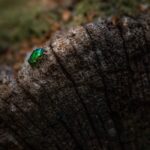
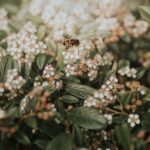
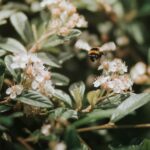

Small actions to save the Earth, such as everyday recycling, saving water, or giving up huge clothing purchases from fast fashion chains that pollute the planet and, de facto, ourselves as well, are more or less familiar to all of us. But what if we focused on even smaller actions—some of them even smaller than butterflies? Insects become the object of interest. The question is – can simply not stepping on a bee, a butterfly, or any other tiny beetle save the Earth?
All the photos in this presentation were taken by me, and it was through photographing insects that I realized the importance of this topic. Insects make up an incredible number of fascinating creatures which, despite their size—or rather their smallness—are unbelievably important and do not deserve the way we treat them. By recognizing that they are an inseparable and necessary part of life on Earth, we realize how important it is to protect them. Insects form the richest class in the animal kingdom. To give a better idea, there are currently around 10 quintillion (10,000,000,000,000,000,000) insects living on Earth. Scientists know about 925,000 insect species, which is assumed to be only a small percentage of the total number of species. This is estimated at anywhere from 2 million to 30 million. The reason is that insects have been very closely linked with plants since their origin. In 1976, Rosnitsyn proved that the great diversity of insects was caused by their specialization in feeding on the reproductive organs of different plants.
The importance of insects lies in the fact that they form a fundamental and inseparable part of ecosystems. They aerate and enrich the soil, pollinate plants, provide food for other animals, and decompose the dead bodies of plants and animals. Let us try to imagine a world completely without insects. Yes, mosquitoes would not bother us. Great. And we would also die of hunger. Quite an essential fact. Millions of flowers would bloom, but the plants would not bear any fruit. 35% of the global volume of crops produced is entirely dependent on pollination. These include crops such as fruit, vegetables, seeds, nuts, and oilseed plants. A large number of the world’s most important market crops also benefit greatly from pollination by animals, whether in terms of yield or quality, for example coffee or cocoa. And thirdly, approximately 90% of the world’s wild plant species depend to a large extent on the transfer of pollen by insects and animals.